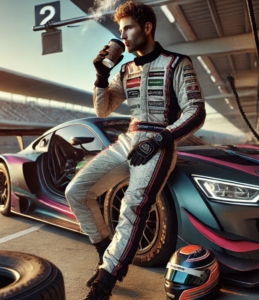
Race car drivers live in a world where small performance edges stack up. Sleep quality, reaction time, hydration, steady energy, and clean focus all matter, especially on long practice days and race weekends packed with adrenaline spikes and downtime in between. Coffee is already part of the culture in the paddock, from early call times to late-night debriefs. Adding butter to coffee is one of those ideas that shows up in athlete circles because it changes how caffeine feels in the body and how a driver experiences energy across the day.
This is not a magic trick, and it is not a replacement for a solid nutrition plan. It is a tool. When a driver understands the basics, they can decide whether it fits their routine, their stomach, and their goals. The point is awareness, not hype, and that awareness belongs in the same “performance toolbox” as hydration, seat fit, helmet airflow, and mental rehearsal.
A Driver’s Energy Needs Are Different Than Most Athletes
Driving fast is physically demanding in ways that surprise people outside the sport. Heat load, heart rate spikes, sustained tension through the hands and forearms, and high mental bandwidth are constant. Then there is the schedule itself. A race weekend can include early mornings, long waits, sudden bursts of intensity, and limited time to eat a full meal at the ideal moment.
That pattern creates a common problem. A driver wants caffeine for alertness, but they do not want the crash, the shaky hands, or the stomach hit that can come with coffee on an empty system. They also do not want a sugar-heavy energy source that spikes and drops. Understanding why some people add butter to coffee starts right there, with steadier energy and fewer ups and downs.
Drivers already follow car development closely through motorsport reporting and vehicle-tech coverage, and the same mindset applies to nutrition tweaks. Staying current with the sport’s culture and performance trends is part of the job. Outlets like Autosport and Motorsport.com show how seriously teams take marginal gains, and nutrition habits often ride that same wave of experimentation.
Butter Changes the “Feel” of Coffee by Adding Fat
Plain coffee is basically caffeine plus water, and it hits quickly. Adding butter introduces fat, which can slow gastric emptying and change how fast the drink leaves the stomach. For some people, that means a smoother ramp instead of a sharp spike. The caffeine is still present, but the experience can feel less jagged.
Fat also increases satiety for many people. On a morning when a driver cannot get a full breakfast in before a session, butter in coffee can feel more “substantial” than coffee alone. That can be useful during a tight schedule when the goal is to stay steady and comfortable rather than hungry and jittery.
This is one reason the idea stays in circulation, especially in performance communities. It is not exotic science, it is simply how fat influences digestion and perceived fullness. For a driver, that can translate into steadier focus during long stints of preparation, engineering notes, and simulator work.
More Stable Energy Helps Protect Fine Motor Control
Steering input, pedal modulation, and braking consistency depend on calm precision. Many drivers have felt what too much caffeine can do, such as tremors, elevated anxiety, or a “wired” sensation that makes the body feel ahead of the brain. A smoother caffeine experience can matter when the goal is clean execution.
Butter in coffee is sometimes used specifically to soften the edges of caffeine. That can be appealing on race weekends where stress is already high, the environment is noisy, and a driver’s nervous system is already activated. It can also help avoid the temptation to chase energy with multiple coffees in a row, which can backfire.
Car culture media and racing news regularly highlight how small setup changes affect drivability and consistency. The same principle can apply to the driver’s routine. That is part of why performance topics travel through the same channels drivers already follow, such as RACER for motorsport coverage and weekend narratives.
Heat, Appetite, and the Reality of Trackside Eating
Hot conditions reduce appetite for many people. Add a suit, a helmet, pre-race nerves, and a packed schedule, and it becomes even harder. Some drivers end up under-fueled, then wonder why their focus fades later in the day.
Butter coffee is not a full meal, but it can function as a bridge when appetite is low and time is tight. Because it is liquid and calorically dense compared to plain coffee, it can be easier to get down than solid food in certain moments. For some drivers, it also feels gentler than a sugary snack that triggers a fast rise and fall.
This does not mean butter coffee is always the right call. Some stomachs dislike fat before intense activity. Some drivers need carbohydrates for their training load and prefer not to replace them. The benefit is in knowing what the tool does, so it is used intentionally instead of randomly.
Mental Focus and Routine Matter as Much as the Ingredients
Drivers are ritual-driven for a reason. Familiar routines reduce decision fatigue and create a sense of control before a session. Coffee already plays that role for many. Adding butter can become part of a repeatable pre-session routine that signals “focus time,” similar to putting on gloves or starting breathing drills.
There is also the psychological comfort factor. A warm drink with a richer texture can feel grounding. Race weekends can be overstimulating, and small calming routines can help keep a driver centered. The benefit is not only nutritional. It is also behavioral, creating consistency in a setting that often feels unpredictable.
For broader car culture context that often blends lifestyle, tech, and the human side of racing, drivers commonly keep an eye on outlets like Road & Track and The Drive, where performance culture intersects with real-world habits.
What Drivers Should Understand Before Making It a Habit
Butter in coffee is still a high-fat addition. Calories add up, and the timing matters. Drivers who are working on body composition, endurance, or specific fueling goals should treat it like any other nutrition choice and make it fit the plan rather than letting it quietly reshape the day.
Quality matters too. Some people tolerate grass-fed butter better, some do not notice a difference. Some prefer clarified butter or ghee. Others blend it thoroughly to improve texture and digestion comfort. The practical outcome is the same. If it causes stomach heaviness, reflux, or nausea, it is not the right tool for pre-session timing.
Drivers should also recognize what it does not do. It does not replace hydration, electrolytes, adequate protein, or well-timed carbohydrates. It can complement a routine, but it should not become a crutch that replaces real meals on race weekends.
For background context on motorsport as a discipline and the broader world drivers operate in, a baseline reference like Motorsport on Wikipedia keeps terminology and categories clear without the noise of trend-chasing.
Conclusion 🏁☕
Race car drivers understand the benefits of butter in coffee because it can change how caffeine feels, support steadier energy, and offer a practical bridge when track schedules make normal eating difficult. It is a tool that may help smooth the peaks and valleys of a long weekend, protecting calm focus and fine motor control when precision matters most.
Knowing the benefits is not the same as declaring it perfect for everyone. The value is in making deliberate choices, testing timing in non-critical sessions, and keeping the driver’s full fueling plan as the foundation. When used thoughtfully, butter in coffee can be one more small lever a driver understands and can pull at the right moment.
