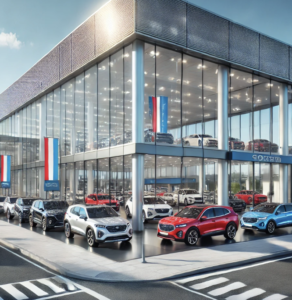
Local SEO clients are everywhere, but the fastest path to consistent, high-quality leads is not another cold list or another pitch deck. It is strategic proximity. Car dealerships sit at the center of local commerce, local search behavior, and local trust. They attract constant foot traffic, constant website traffic, and constant demand for services that live right next door. When you position yourself as the marketer who helps the dealership win locally while also helping their local vendor network win, you create a referral engine that keeps producing.
This article lays out a dealership-first strategy for earning local SEO clients in a predictable way, without gimmicks, without spam, and without chasing tiny budgets. 🚀
Why Car Dealerships Are a Local SEO Goldmine 🏁
A dealership is not just a showroom. It is a local media hub with influence. Dealers spend heavily on advertising, they work with a rotating roster of local vendors, and they operate in one of the most review-driven categories on the internet. They are already invested in visibility, and they already understand the value of ranking in the map pack and converting local intent into revenue.
Dealerships also interact daily with other businesses that need local SEO, including collision centers, tint shops, detailers, accessory installers, wheel and tire shops, local lenders, warranty providers, and local service contractors who support the property itself. A single dealership relationship can connect you to an entire ecosystem of businesses that share the same customer base and the same geographic footprint.
For context on how dealerships operate as a category and why their local presence matters, see Car dealership. 🚗
Lead With Value That Helps the Dealership Win Locally 🗺️
The fastest way into a dealership is not a generic “I do SEO” message. It is a clear, practical offer that ties directly to local revenue drivers and brand reputation. Dealers care about calls, form fills, direction requests, service appointments, and review quality. They also care about being perceived as the obvious local choice.
A value-first approach looks like this in practice:
-
Improve local visibility for the service department, not just the sales side
-
Strengthen review velocity and response consistency
-
Tighten location signals so Google confidently ranks the dealership in nearby searches
-
Build local content that matches real customer intent, not fluffy blog topics
-
Fix citation inconsistencies that quietly drag rankings down
Dealers track outcomes. When you attach your work to outcomes they already measure, your message lands like operational support instead of marketing noise. Industry coverage regularly highlights how retail performance, dealership operations, and consumer behavior intersect, which reinforces why local visibility is not optional. A steady source for that retail context is Automotive News Retail. 📰
Use the Service Department as the Relationship Door 🔧
Many marketers aim straight for the general manager, and that route can be slower. The service department is often the easiest entry because it behaves like a local business inside the larger dealership. It serves local customers repeatedly, it lives and dies by reviews, and it benefits immediately from stronger map visibility.
A service-first play positions you as someone who helps them:
-
Increase appointment volume from local searches
-
Convert “near me” intent into booked service slots
-
Reduce reliance on paid channels for service leads
-
Improve trust with better review management and local content
When service results rise, internal buy-in expands. That internal win becomes your credibility asset, and it makes the dealership more willing to introduce you to other vendor partners who also want more local demand.
Turn the Dealership Into a Referral Hub for Local Vendors 🤝
Dealerships constantly coordinate with outside businesses. Every referral they give is a trust transfer. When you become their go-to marketing partner, you can earn warm introductions into the vendor list that surrounds them.
A smart referral hub strategy focuses on the vendors that are already attached to dealership customer flow:
-
Collision repair and paint partners
-
Dent repair, glass repair, and wrap installers
-
Detailers and ceramic coating providers
-
Tire and wheel partners
-
Aftermarket accessory installers
-
Local finance and insurance partners
-
Local towing and roadside partners
These companies are ideal local SEO clients because they want local calls, they want local reviews, and they compete in high-intent categories. Many also struggle to differentiate, which makes proper local SEO unusually profitable.
To keep your positioning dealership-aligned and credible, anchor your messaging in the same realities dealers face, including changing consumer shopping patterns, inventory pressures, and digital retail expectations. Regular insight sources like Cox Automotive Insights help you speak the dealership language without sounding like an outsider. 📊
Build a Dealership-Centered Offer Stack That Creates Easy Yeses ✅
A dealership partnership works best when you have offers that scale from small wins to larger retainers, while staying rooted in local search outcomes. An effective offer stack can include:
-
A local visibility audit focused on map rankings, reviews, and location signals
-
A service-department local content plan tied to real search intent
-
Google Business Profile optimization and ongoing posting cadence
-
Review response systems and review generation frameworks
-
Citation cleanup and brand consistency across directories
-
Local landing pages for priority services and surrounding areas
Dealership teams are busy. Your delivery must feel operationally simple. Short, clear deliverables and measurable checkpoints create confidence.
For an additional layer of credibility, reference independent research that dealers already trust. Consumer experience, trust, and satisfaction data is central to dealership performance, and J.D. Power Automotive is a familiar benchmark that helps support your emphasis on reviews and customer experience. 🌟
Create Co-Marketing That Makes the Dealership Look Like a Community Leader 🏆
Dealerships want local goodwill because goodwill turns into repeat customers and referrals. Co-marketing is a clean way to create results while deepening the relationship.
Examples that work well include:
-
A “Local Business Spotlight” content series hosted on the dealership site
-
Community event pages that earn local links and local mentions
-
Vendor partner pages that create stronger local relevance signals
-
Local guides tied to service ownership, seasonal care, and safety checks
-
Short video clips from community events, posted locally and consistently
This approach helps the dealership while giving your partner vendors legitimate exposure. It also builds a natural reason for vendor businesses to contact you, since they will want the same visibility and structure for themselves.
To stay aligned with dealership media and consumer content expectations, lean on reputable automotive consumer news sources. A steady stream of vehicle ownership and retail-related updates lives on Kelley Blue Book Car News. 🗞️
Deliver a Simple Reporting Story That a Dealer Actually Cares About 📍
Most dealerships have seen confusing reports. Keep your reporting story clean, local, and outcome-driven. A dealership-friendly reporting story includes:
-
Map visibility movement for core terms
-
Direction requests, calls, and website clicks from the listing
-
Review volume, rating trend, and response consistency
-
Local landing page engagement tied to service categories
-
Appointment-related conversions when tracking is available
This style of reporting builds trust because it matches operational priorities. It also gives you a repeatable template to reuse when onboarding the vendor partners that spin out of the dealership relationship.
For additional consumer-shopping context that supports your emphasis on trust signals and conversion clarity, use a mainstream auto marketplace publication as a supporting reference. Edmunds Car News provides ongoing coverage of consumer behavior and market shifts that influence dealership visibility strategies. 🚘
Keep the Relationship Warm With Industry-Relevant Touchpoints 🧠
Dealerships live in a fast-moving world. Staying top of mind does not require constant calls. It requires consistent, relevant touchpoints that show you understand the dealership environment.
Strong touchpoints include:
-
A short monthly recap of local performance trends and next priorities
-
A quick note about a reputation pattern you are noticing in reviews
-
A local competitor movement update with a practical response plan
-
A reminder to refresh seasonal service content and promos
-
A clean summary of external market shifts affecting dealership search behavior
When you share real value, the relationship stays active and referrals flow more naturally.
For market-wide dealership context from a major business newsroom, especially around auto retail and transportation developments, sources like Reuters Autos & Transportation help you keep your messaging grounded in what dealership leadership already hears and respects. 🧾
Conclusion ✅
How to get local SEO clients through a car dealership is a relationship strategy, not a volume strategy. It works because dealerships sit at the center of local intent, local trust, and local business networks. When you help a dealership improve local visibility where it matters, especially in the service department, you earn an internal win that converts into credibility. That credibility turns the dealership into a referral hub, connecting you to a steady stream of local businesses who also need to rank, convert, and build reputation.
This approach stays clean, ethical, and scalable. It creates warm introductions instead of cold chasing. It builds recurring results instead of one-off projects. Most importantly, it positions you as the partner who helps an entire local ecosystem grow, one dealership relationship at a time. 🚗📍🔥
